


Chinese Image Medicine
意象医学 in Chinese
A Holistic System of Diagnosis and Regeneration
Chinese Image Medicine
Image Medicine for short, or CIM
Chinese Image Medicine is an advanced holistic regeneration system that combines the wisdom of ancient Chinese medicine with modern research into tangible benefit for people.
It is an integral part of Zhong Yuan Qigong and is based on the principle that the human being consists of three interconnected dimensions:
-
Physical body
-
Energy (Qi)
-
Information (consciousness and mental images)
Human well-being is viewed as the harmonious interaction of these three levels. When balance is disturbed, illness may develop. Chinese Image Medicine aims to identify the root cause of imbalance and support the body's natural ability to restore itself.

Ancient Roots, Modern Development

Chinese Image Medicine traces its origins to the medical tradition of Bian Que (扁鹊), one of China's most revered physicians, who lived during the Warring States Period (5th–3rd century BCE). His medical school emphasized direct perception of the body's internal state through advanced diagnostic methods and is regarded as one of the earliest foundations of Chinese medicine.
While the medical tradition commonly known today as Traditional Chinese Medicine (TCM) evolved from the teachings of the Yellow Emperor (Huang Di), Bian Que's school developed along a parallel path. Over centuries, these traditions influenced one another, although Bian Que's methods remained less widely preserved due to historical circumstances.
Modern archaeological discoveries in China continue to reveal ancient medical texts connected to this tradition, confirming its historical significance.
Today, Chinese Image Medicine represents the contemporary continuation and systematic development of this ancient medical lineage.
The Principle of Image-Based Thinking
At the heart of Chinese Image Medicine is image-based thinking.
Unlike analytical thinking, image-based thinking is considered an innate human ability that exists before language, education, or cultural conditioning. Every person naturally perceives and processes reality through internal images.
In Image Medicine, these internal images become both a diagnostic and therapeutic tool.
Practitioners learn to perceive the energetic and informational state of the body through an "inner image." This image reflects areas of imbalance and helps identify the underlying causes of conditions rather than focusing only on symptoms.
Treatment involves transforming unclean or distorted images into clean, harmonious ones, supporting positive changes in the body, energy system, and consciousness.
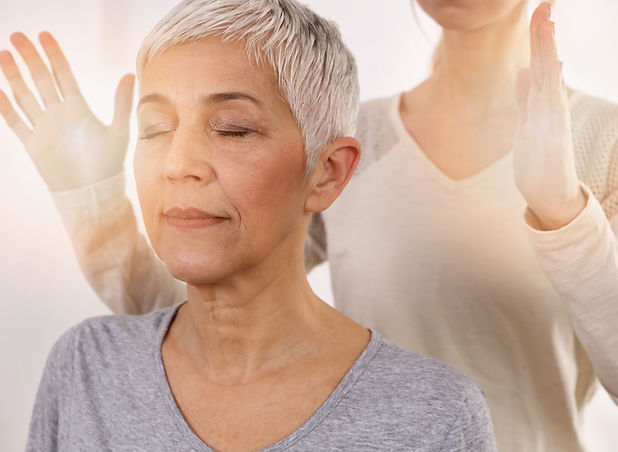
Diagnosis Through Internal Image
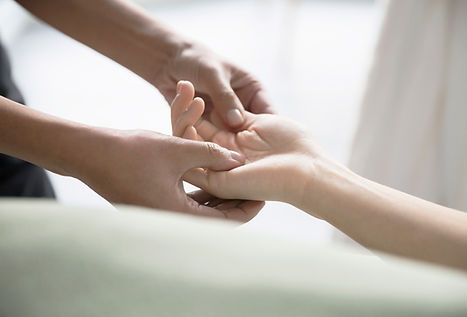
Traditional Chinese Medicine is well known for pulse diagnosis.
Chinese Image Medicine expands upon this concept through methods often described as:
-
Internal Image Vision
-
Image-Based Pulse Diagnosis
-
Internal Organ Imaging
These methods are intended to perceive functional imbalances on physical, energetic, and informational levels, allowing treatment to address the underlying source of imbalance rather than only its outward manifestations.

A Three-Level Approach
Chinese Image Medicine views every human condition through three interconnected dimensions:
-
Physical
-
Energetic
-
Informational
Depending on the nature of the condition, treatment may involve one or more of these levels.
Seven primary therapeutic approaches are used:
-
Physical
-
Energetic
-
Informational
-
Physical + Energetic
-
Physical + Informational
-
Energetic + Informational
-
Physical + Energetic + Informational
Each person is assessed individually, and treatment is tailored according to their unique condition and underlying imbalance.
A Natural and Non-Invasive Method
Chinese Image Medicine is a gentle, non-invasive practice that does not rely on surgical procedures or pharmaceutical interventions.
Its methods are designed to support the body's own self-regulating abilities through work with consciousness, Qi, and mental imagery.
Many people appreciate Image Medicine because it is:
-
Non-invasive
-
Gentle and painless
-
Natural
-
Holistic
-
Focused on addressing root causes
-
Suitable as a complementary approach alongside conventional approaches
Contemporary Development
The leading contemporary representative of Chinese Image Medicine is Professor Xu Mingtang, founder of the Beijing Kundawell Medical Research Institute.
Through decades of research and clinical practice, Professor Xu has further developed the ancient principles of Bian Que's medical tradition into a comprehensive modern system consisting of:
-
A theoretical framework
-
A diagnostic system
-
A treatment system
Today, Chinese Image Medicine continues to evolve through ongoing research, education, and international collaboration.
The Beijing Kundawell Medical Research Institute serves as the primary center for research and professional training, while seminars and educational programs are offered internationally.
Areas of Application
Chinese Image Medicine is used as a complementary approach to support people experiencing a wide range of chronic and functional conditions.
Practitioners have worked with individuals experiencing conditions such as:
-
Respiratory disorders
-
Digestive disorders
-
Musculoskeletal problems
-
Chronic pain
-
Sleep disorders
-
Cardiovascular conditions
-
Reproductive and hormonal concerns
-
Neurological conditions
-
Stress-related disorders
-
Chronic inflammatory conditions
Every case is approached individually, taking into account the physical, energetic, and informational aspects of the person.
Chinese Image Medicine is intended to complement—not replace—appropriate medical diagnosis and treatment where needed.
International Research and Conferences
Chinese Image Medicine has been presented internationally through scientific conferences, professional forums, and educational events bringing together researchers, healthcare professionals, therapists, and practitioners from around the world.
International conferences have been organized for 30 years. The most recent ones have been held in:
-
2015 – Bratislava, Slovakia
-
2016 – Shaolin (Dengfeng), China
-
2017 – Almaty, Kazakhstan
-
2018 – Budapest, Hungary
-
2019 – Kyiv, Ukraine
-
2025 – Prague, Czech Republic
These events continue to support research, professional exchange, and the international development of Chinese Image Medicine.
A Path Toward Balance
Chinese Image Medicine offers a unique perspective by integrating ancient medical wisdom with contemporary understanding of consciousness and human potential.
By addressing the physical body, Qi, and information as one interconnected system, it seeks to restore harmony at the deepest level and support the body's natural capacity for restoration and well-being.
CIM Organizations in Europe

Czech Republic

Latvia

Germany

Slovakia
